

















How Cuban Salsa Was Born: The Origins of Casino Dance
Cuban salsa, also known as Casino, is one of the most social, expressive, and globally loved Latin dances today. But where did Cuban salsa come from? How was Casino born, and why is Cuban Salsa different from other salsa styles?
In this article, we explore the origins of Cuban salsa, its cultural roots, and how it became a worldwide dance phenomenon. To understand how Cuban salsa was born, we need to go back to Cuba’s musical history. Cuban salsa originated from a blend of:
- Afro-Cuban rhythms brought by African communities
- Spanish musical traditions, including guitar and song structure
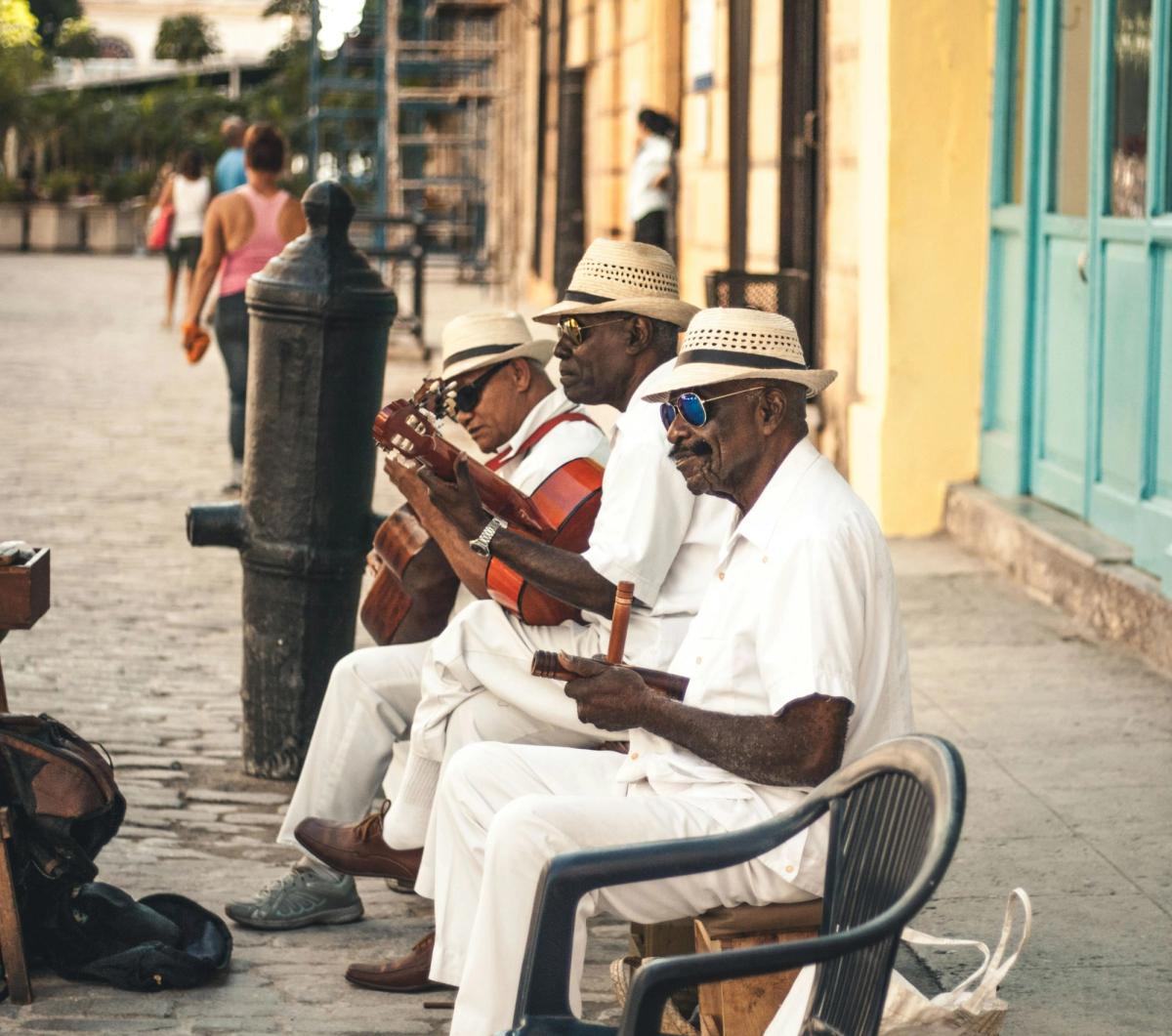
This fusion created one of the most important musical styles in Cuba: Son Cubano. Son Cubano is the foundation of Cuban salsa (Casino) and one of the key reasons why Cuban dance feels so rhythmic and grounded. Cuban salsa is called Casino, and it developed in Havana in the 1950s. The name comes from “casinos deportivos,” which were social clubs where people gathered to dance.
Unlike other salsa styles, Casino has unique characteristics:
- It is danced in a circular motion, not in a straight line
- It focuses on natural movement and flow
- It encourages improvisation and playfulness
This is why many dancers say Cuban salsa feels more social and relaxed compared to other styles like LA or New York salsa. One of the most iconic forms of Cuban salsa is Rueda de Casino. In Rueda:
- Multiple couples dance in a circle.
- A leader calls out moves.
- Everyone dances in sync, changing partners.
This style highlights what Cuban salsa is all about: community, connection, and fun.
Rueda de Casino is a major reason why Cuban salsa became so popular worldwide. After the Cuban Revolution in 1959, Cuban music and dance began spreading internationally. Cuban communities brought Casino to Europe (especially Spain, Italy, and the UK), Latin America, and the United States. Over time, Cuban salsa grew into a global dance movement, with festivals, schools, and communities in almost every major city.
Many people ask: What makes Cuban salsa different? Here are the key differences:
- Circular movement vs. linear (LA/NY salsa)
- Strong connection to Afro-Cuban rhythm
- Focus on social dancing, not performance
- Emphasis on group dancing (rueda)
Cuban salsa is less about perfection and more about feeling, connection, and culture. Today, Cuban salsa (Casino) is more than just a dance — it’s a global community. From small local classes to international festivals, dancers connect through music called Timba, Afro-Cuban movement, and shared passion. Whether you’re dancing in Helsinki, Havana, or Madrid, the spirit of Cuban salsa remains the same.
Now you can stop googling "Cuban salsa classes near me" as we have created this website where you can find the classes near you. You can also search Casino dance festivals (Cuban Salsa festivals) in the website and even use our new dance trip assistant to find the party in your city.
Cuban salsa was born from a mix of cultures, shaped by history, and carried forward by people who love to dance. When you dance Casino, you’re not just learning steps — you’re becoming part of a living cultural tradition.