










Cuban Dance Dictionary (A–Z)
Navigating the vibrant world of Cuban dance can feel like stepping into a beautiful, rhythmic whirlwind. To keep your head spinning in a good way, we have organised these essential terms into a clean, easy-to-read guide.
Here is your comprehensive breakdown of the movements, rhythms, and deities that define the Afro-Cuban tradition.
The Foundation: Dance Styles & Forms
Casino
A partner dance style from Cuba, commonly known as Cuban salsa. It is characterized by circular movement, fluid partner interaction, and strong social connection.
- Why it matters: Casino is the foundation of Cuban social dancing.
Cuban Salsa
Cuban salsa, also known as casino, is a social dance that developed in Cuba. It emphasizes circular motion, improvisation, and connection between partners, often danced to timba or son music.
- Why it matters: It reflects Cuban culture, community, and musicality rather than performance.
Rueda de Casino
A group form of Cuban salsa where couples dance in a circle and perform synchronized moves called out by a leader, frequently switching partners.
- Why it matters: It represents the social, playful, and communal nature of Cuban dance.
Salsa
A broader term for a popular Latin dance and music genre that developed mainly in New York, influenced by Cuban, Puerto Rican, and other Caribbean styles. It is often danced in a linear pattern (e.g., LA or NY style).
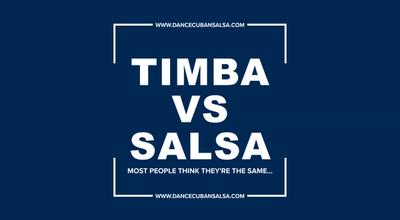
- Why it matters: It differs from Cuban salsa in structure, style, and cultural context.
Core Techniques & Roles
Guapea
One of the basic steps of Cuban salsa, danced in open position with a back-and-forth rhythm.
- Why it matters: It forms the foundation for beginners and timing.
Dile Que No
A fundamental move in casino used to return to open position.
- Why it matters: It is one of the most essential building blocks in Cuban salsa.
Enchufla
A core turning pattern in casino where partners rotate and change places.
- Why it matters: It is used in many combinations and is essential for progression.
Cantante (Caller)
The person in rueda de casino who calls out the moves for all dancers to follow.
- Why it matters: The caller creates structure, coordination, and energy within the group.
The Roots: Music & Movement
Afro-Cuban Movement
Body movements and rhythms influenced by African traditions brought to Cuba. These include grounded motion, isolations, and expressive body language.
- Why it matters: It adds authenticity, history, and deeper cultural meaning to Cuban dance.
Son
A traditional Cuban music genre that forms the foundation of modern salsa and timba.
- Why it matters: Understanding son helps dancers connect to rhythm and history.
Rumba
A traditional Afro-Cuban dance and music style, including forms such as guaguancó, yambú, and columbia. It is expressive, rhythmic, and often involves storytelling and interaction.
- Why it matters: Rumba is one of the roots of Cuban salsa and strongly influences body movement and expression.
Timba
A modern Cuban music genre known for its complexity, rhythm changes, and high energy.
- Why it matters: It is the primary music used in Cuban salsa today.
Spirituality: The Orishas (Afro-Cuban Gods)
Orishas
Spiritual deities from Yoruba religion, practiced in Cuba through Santería. Each Orisha represents natural forces and human characteristics.
- Why it matters: Cuban dance and music are deeply influenced by these spiritual traditions.
Eleguá
An Orisha (deity) in Afro-Cuban religion associated with roads, choices, and opportunities. His movements are playful, quick, and unpredictable.
- Why it matters: Many Afro-Cuban dance movements are inspired by Eleguá’s energy and symbolism.
Yemayá
An Orisha associated with the ocean, motherhood, and nurturing energy. Her movements are fluid, strong, and wave-like.
- Why it matters: Her influence can be seen in graceful, flowing movements in Cuban dance.
Changó
An Orisha associated with thunder, fire, power, and masculinity. His movements are strong, rhythmic, and expressive.
- Why it matters: Many powerful and energetic movements in Afro-Cuban dance are inspired by Changó.
Identity: The Dancers
Timbera
A female dancer who expresses timba music through movement, musicality, and Afro-Cuban styling.
- Why it matters: It reflects identity, musical understanding, and cultural connection.
Timbero
A male dancer or musician deeply connected to timba culture and rhythm.
- Why it matters: It represents a strong connection to Cuban music and dance identity.